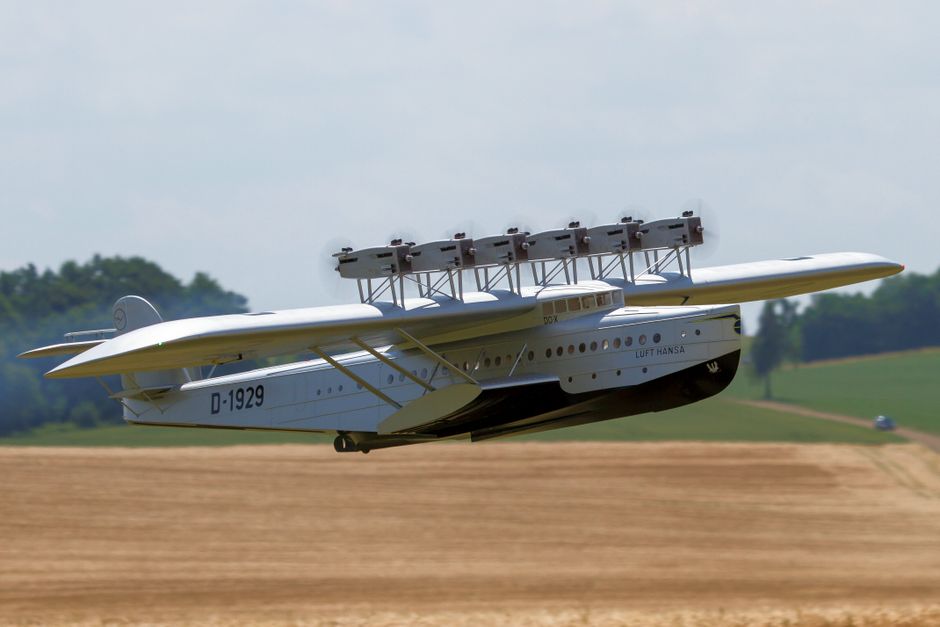
Flight is one of humanity’s most remarkable achievements, allowing us to traverse vast distances in the sky. The dynamics of Flight Legends, however, extend far beyond the simple act of taking off and landing; they encompass a rich tapestry of technology, human ingenuity, and the unpredictable elements of nature. This study report delves into the various aspects of flight, examining the intricate paths that aircraft take, the surprises that can arise during flight, and the implications of these factors for aviation safety and efficiency.
The Evolution of Flight Paths
The concept of a flight path refers to the trajectory that an aircraft follows during its journey from one point to another. Historically, flight paths were largely dictated by the limitations of early aircraft, which were unable to fly at high altitudes or navigate through adverse weather conditions. As aviation technology progressed, so too did the complexity and efficiency of flight paths. Modern aircraft are equipped with advanced navigation systems that allow for real-time adjustments based on a variety of factors, including weather conditions, air traffic, and fuel efficiency.
The introduction of GPS technology has revolutionized the way flight paths are planned and executed. Pilots can now receive precise information about their location and the surrounding airspace, enabling them to make informed decisions about their route. Additionally, air traffic control systems have become increasingly sophisticated, utilizing radar and satellite technology to monitor and manage the flow of air traffic. This has led to the development of optimized flight paths that minimize delays and reduce fuel consumption, contributing to a greener aviation industry.
Dynamic Flight Paths: The Role of Weather
One of the most significant factors influencing flight paths is weather. Pilots must constantly adapt their routes to account for changing weather conditions, which can include turbulence, storms, and other atmospheric phenomena. For instance, a flight scheduled to pass through a storm may need to alter its course to avoid severe turbulence, which can pose risks to passenger safety and comfort.
Moreover, the phenomenon of jet streams, which are fast-flowing air currents in the upper atmosphere, can also impact flight paths. By strategically navigating these jet streams, pilots can take advantage of tailwinds to reduce flight times and save fuel. Conversely, headwinds can slow down an aircraft, leading to longer travel times and increased fuel consumption. As such, understanding and predicting weather patterns is critical for optimizing flight paths.
Surprises in the Sky: Unpredictable Events
Despite the advanced technology and planning that goes into modern aviation, surprises can still occur during flights. One such surprise is the phenomenon of turbulence, which can range from mild to severe. Turbulence occurs when an aircraft encounters irregular air movements, often caused by weather systems, terrain, or other aircraft. While pilots are trained to handle turbulence, it can still be a source of anxiety for passengers and a challenge for flight crews.
Another unpredictable event is the occurrence of technical malfunctions. Modern aircraft are equipped with numerous systems, and while redundancy measures are in place to ensure safety, failures can still happen. Quick decision-making and effective communication among the flight crew are essential in these situations to ensure the safety of everyone on board.
Bird strikes are another surprising event that can impact flight safety. When birds collide with aircraft, particularly during takeoff or landing, it can cause significant damage. Airports employ various strategies to mitigate this risk, such as habitat management and the use of technology to deter birds from the vicinity of runways.
The Human Element: Pilots and Decision-Making
The role of pilots in navigating dynamic flight paths cannot be overstated. They are the decision-makers who must assess real-time information and make adjustments to ensure a safe and efficient flight. This involves not only technical knowledge but also the ability to remain calm under pressure and communicate effectively with air traffic control and cabin crew.
In recent years, the aviation industry has recognized the importance of human factors in flight safety. Crew resource management (CRM) training has become standard, emphasizing teamwork, communication, and decision-making skills among flight crews. This training prepares pilots to handle unexpected situations and make informed choices that prioritize safety.
The Future of Flight Paths: Innovations on the Horizon
As technology continues to advance, the future of flight paths is likely to become even more dynamic and efficient. Innovations such as artificial intelligence and machine learning are being explored to enhance flight planning and navigation. These technologies can analyze vast amounts of data to identify optimal flight paths and predict potential disruptions, allowing for proactive adjustments.
Additionally, the rise of electric and hybrid aircraft promises to revolutionize the aviation industry. These aircraft have the potential to reduce carbon emissions and operational costs, leading to more sustainable flight paths. As the industry moves toward greener technologies, the way we think about flight paths will undoubtedly evolve.
Conclusion
In conclusion, the exploration of flight paths reveals a complex interplay of technology, human decision-making, and the unpredictable elements of nature. While advancements in navigation and communication have greatly improved the efficiency and safety of aviation, surprises can still arise in the sky. Understanding the dynamics of flight paths and the factors that influence them is essential for ensuring safe and efficient air travel. As we look to the future, continued innovation will play a crucial role in shaping the next generation of flight paths, making air travel more sustainable and reliable than ever before. The journey of flight is not just about reaching a destination; it is a testament to human ingenuity and resilience in the face of the unknown.
Deixe um comentário